Stretch Anywhere: Turning Chairs, Counters, and Walls into Daily Mobility Allies
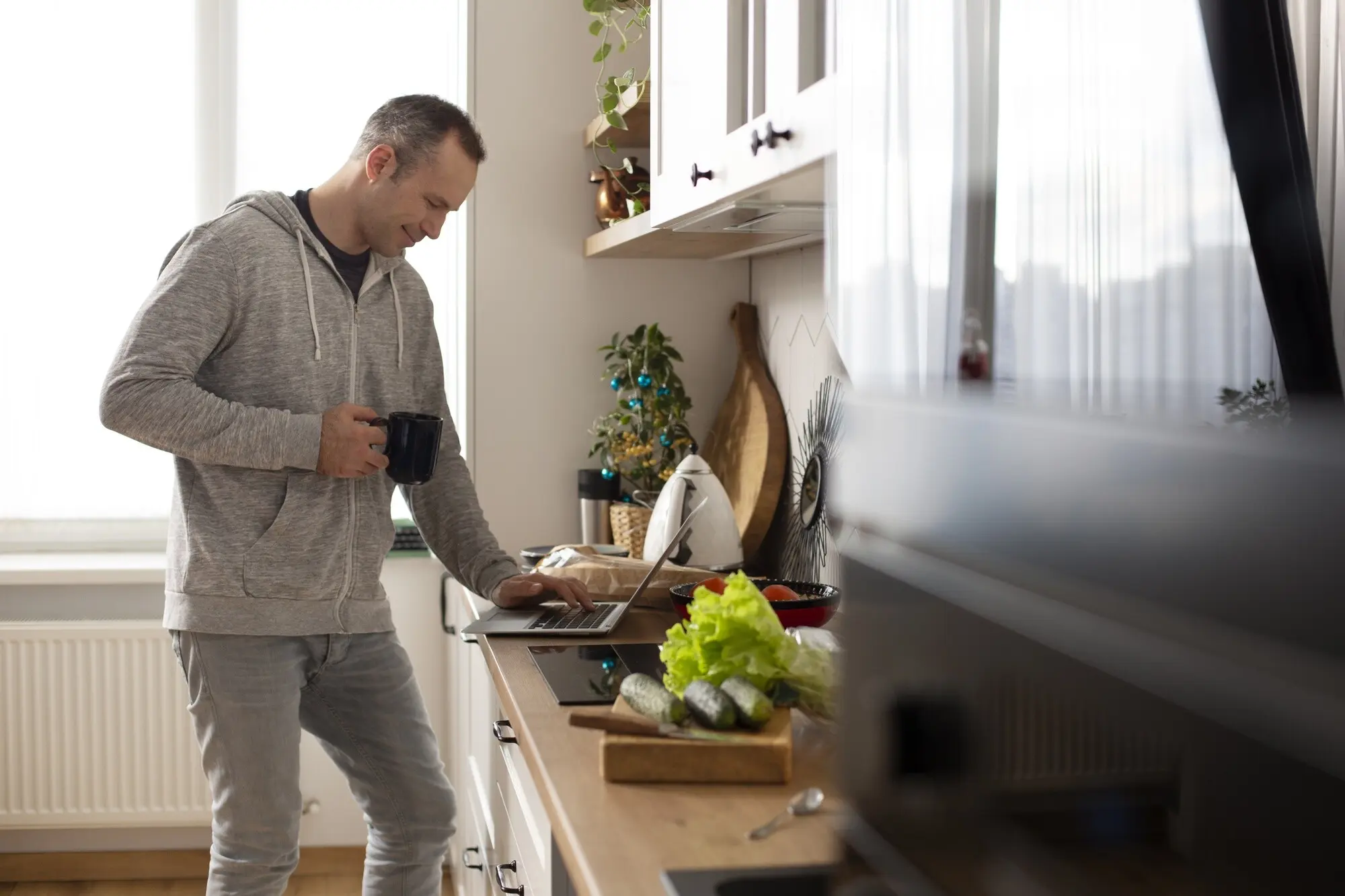
Welcome! Today we dive into furniture-based stretch routines using chairs, counters, and walls, transforming everyday surroundings into supportive tools for safer alignment, deeper flexibility, and refreshing micro-breaks. Expect practical cues, science-backed benefits, and stepwise progressions you can repeat at home, office, or travel.

Foundations of Safe, Effective Alignment

Before chasing intensity, anchor your body with simple geometry using household supports. A chair guides pelvic tilt, a counter stabilizes the shoulders, and a wall clarifies foot pressure. These cues protect joints, help tissues adapt gradually, and make flexibility gains feel sustainable, not forced.

01

Neutral Spine with a Chair Seat

Practice neutral spine by sitting tall on the chair seat, sensing sit bones like tripod points. Lengthen from tail to crown while lightly bracing abdominals. Notice ribcage stacked over pelvis, eyes soft, breath slow. When posture drifts, reset kindly, not rigidly, and continue exploring.

02

Shoulder Set-Up at a Kitchen Counter

Place forearms or hands on the counter at hip height, grow tall through the sternum, and slide shoulder blades slightly down. Keep neck long, avoid shrugging, and distribute weight evenly across palms. Gentle traction here decompresses wrists and invites steadier breathing during standing sequences.

03

Balanced Foot Pressure Along the Wall

Stand facing a wall, feet hip-width, heels slightly heavy, toes relaxed. Press fingertips lightly while sensing arches lift and knees track forward over middle toes. This simple map reduces pronation, protects knees, and primes powerful glutes before lunges, squats, or balance drills.

Chair-Guided Sequences for Hips, Hamstrings, and Back
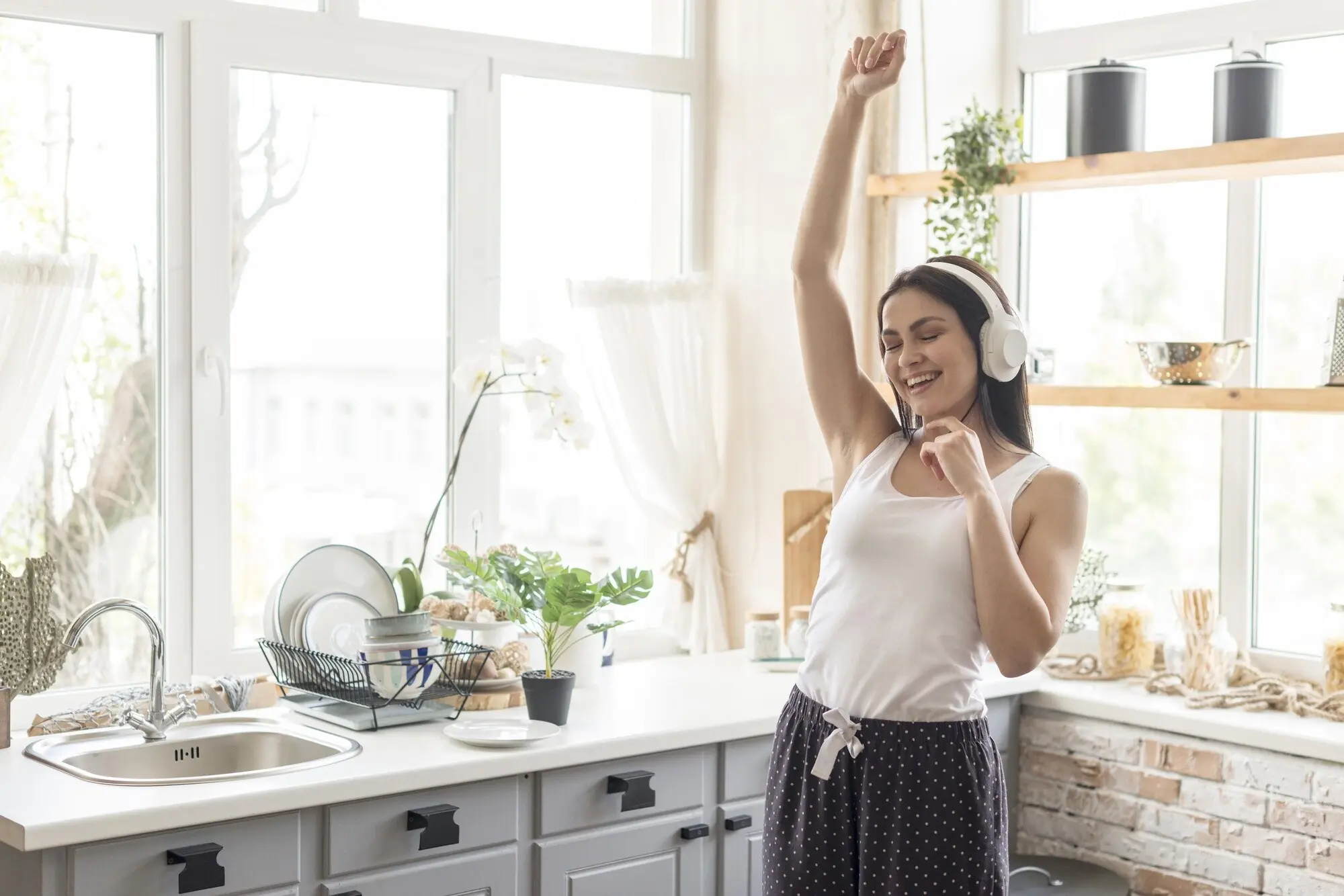
With the chair acting as a movable anchor, you can modulate depth precisely, preventing wobbly compensations. These flows target hips, hamstrings, and spine without floor work. Clear exits, measured breaths, and gradual holds ensure circulation thrives while connective tissue welcomes persuasive, not coercive, change.

Seated Figure-Four Without Numbing the Leg

Cross one ankle over the opposite knee while seated tall, then hinge forward from the hips until you feel a broad, temperate stretch through the outer hip. Keep the lifted foot flexed, relax your jaw, and breathe steadily, adjusting chair distance to fine-tune intensity.

Hamstring Elevation Using the Seat Edge

Place one heel on the seat edge, micro-bend the standing knee, and lengthen the lifted leg without forcing it straight. Tip pelvis anteriorly to target hamstrings, not lower back. Slide hands to the backrest for support, pausing whenever tingling or pinching sensations appear.

Supported Backbend with Hands on Chair Back

Stand behind the chair, hands on the backrest, feet grounded. Press hips forward lightly, lift chest, and imagine the sternum shining upward as you lengthen abdominals. Keep glutes gently engaged to protect lumbar joints while breathing rhythmically for thirty to sixty nourishing seconds.

Calf and Achilles Release While Waiting for the Kettle
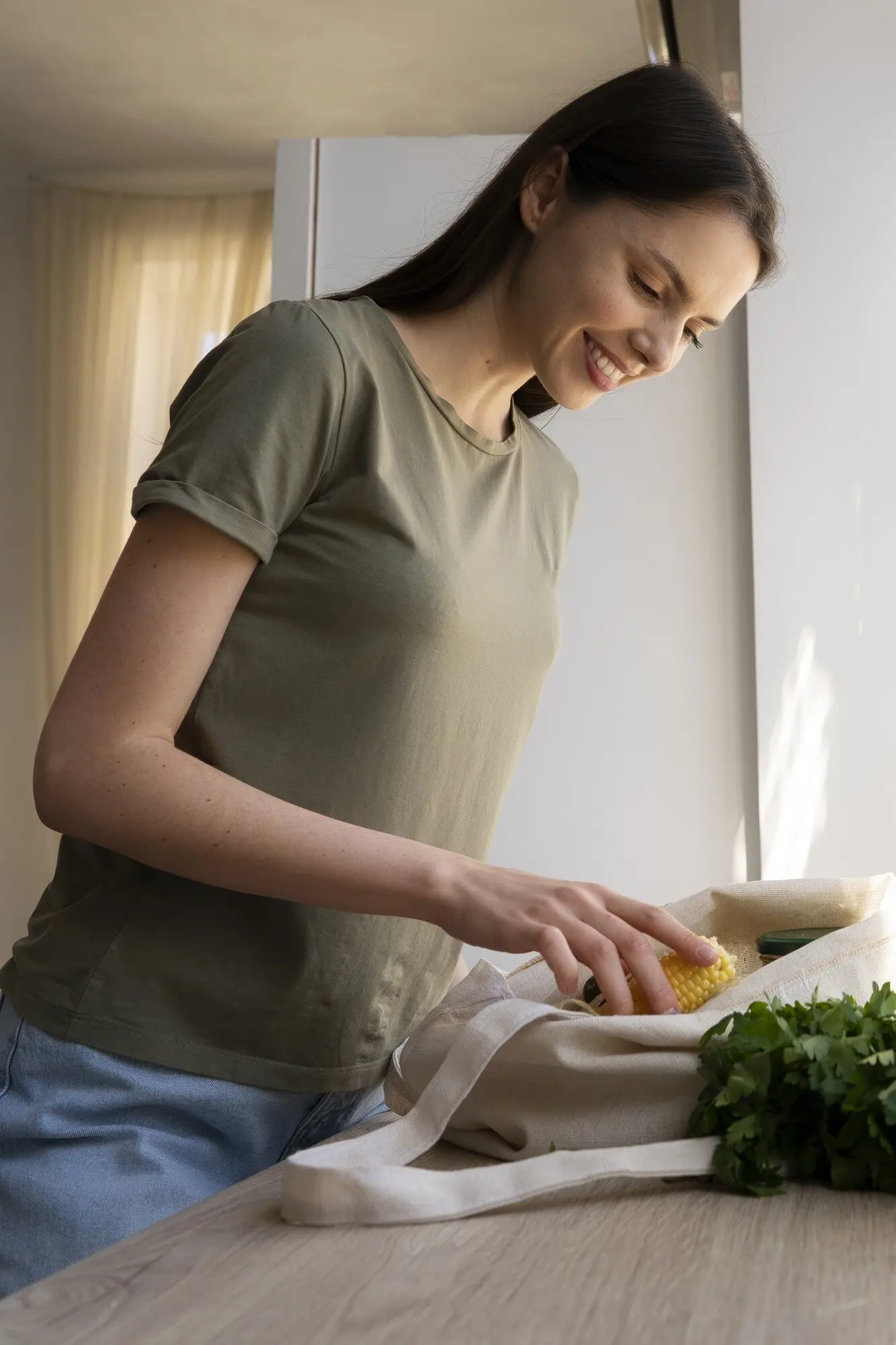
Stand facing the counter, hands pressing softly, then step one foot back and bend the front knee until the back calf lengthens like a patient ribbon. Keep heel heavy, toes relaxed, and spine long while counting five slow exhales, imagining warmth traveling down toward the sole.

Thoracic Rotation with Light Counter Support

Place one forearm on the counter, opposite arm reaching forward, then rotate the chest away while hips stay squared. Imagine a gentle spiral from navel to collarbones. Maintain a light chin tuck, breathe into side ribs, and pause if the shoulder crowds the ear.

Hip Flexor Lengthening in a Half Lunge at the Counter

Rest hands on the counter, step one foot back into a split stance, and let the back knee soften. Tuck pelvis slightly, squeeze glute of the trailing leg, and glide weight forward until you sense long warmth across the hip front without pinching.

Wall-Assisted Flexibility and Posture Recharge

Walls offer honest feedback: they do not move, so your alignment must. Use them to recalibrate shoulder openness, spinal extension, and lower-body integrity with reliable landmarks. Small improvements compound quickly when repetition meets patience, especially after travel, intense workouts, or long meetings.

Snow Angels to Wake Up Upper Back

Stand with your back against the wall, arms down, wrists and elbows brushing the surface as you slide into slow snow angels. Keep ribs softly anchored, neck long, and front ribs quiet. Stop before pain, celebrating smoother contact rather than forcing higher positions today.

Doorway Pec Stretch Without Overstretching Nerves

Step into a doorway or frame, forearm on the edge, elbow below shoulder height, and gently lean. Focus stretch across chest without letting tingling run into fingers. Retract chin, breathe low, and back off immediately if symptoms sharpen rather than soften with exhale.

Glute Activation with Wall Sit Plus Reach

Slide down the wall into a sit, knees over ankles, weight on heels. Press lower back lightly into contact while reaching alternate arms overhead. Quads warm, core wakes, and posture resets. Keep breath even, exiting before shaking overwhelms clean form or calm attention.

Two-Minute Reset Every Thirty Minutes

Set a repeating reminder, stand up, place hands on the counter, and cycle through calf release, hamstring hinge, and chest opener. Two calm breaths per move, twice through, equals under two minutes. Track mood before and after to prove tiny doses change everything.

Eye, Neck, and Wrist Relief with Wall Focus

Press one palm against the wall at eye level, softly turn the head away, then nod yes and no through tiny arcs. Blink slowly during each exhale to relax eyes. Finish with shoulder rolls and wrist circles, noticing warmth return to fingers and jaw.

Chair Roll-Downs to Calm a Rushed Mind

Sit toward the chair edge, feet planted, hands on shins. Exhale and roll down through the spine, pausing where breathing catches, then inhale to unfurl, stacking vertebrae patiently. Add a gentle head turn at top to release lingering tension behind eyes and ears.

Baseline Self-Assessment You Can Repeat Monthly

Choose three measures: standing reach, seated hinge depth, and wall sit time. Test gently after a warmup, write results, and retest every four weeks. Progress rarely moves linearly; honor plateaus, note context like sleep or stress, and celebrate restored ease in daily routines.

Progressive Loading Without Pain Signals

Advance gently by shifting lever arms, elevating feet on the chair only when control is clear, or stepping farther from the wall to increase angle. Keep nerves happy by adding time before depth. Stop one breath before strain, and return fresher the next session.

Habit Loops, Reminders, and Community Check-Ins

Build sustainable habits using cues you already encounter: kettle boiling, meeting ending, phone charging, or loading the dishwasher. Pair each cue with a tiny sequence using nearby furniture. Share your pairings in the comments, subscribe for weekly ideas, and invite friends to join.
Niloxaripentotorasavitunopalo
Privacy Overview

This website uses cookies so that we can provide you with the best user experience possible. Cookie information is stored in your browser and performs functions such as recognising you when you return to our website and helping our team to understand which sections of the website you find most interesting and useful.